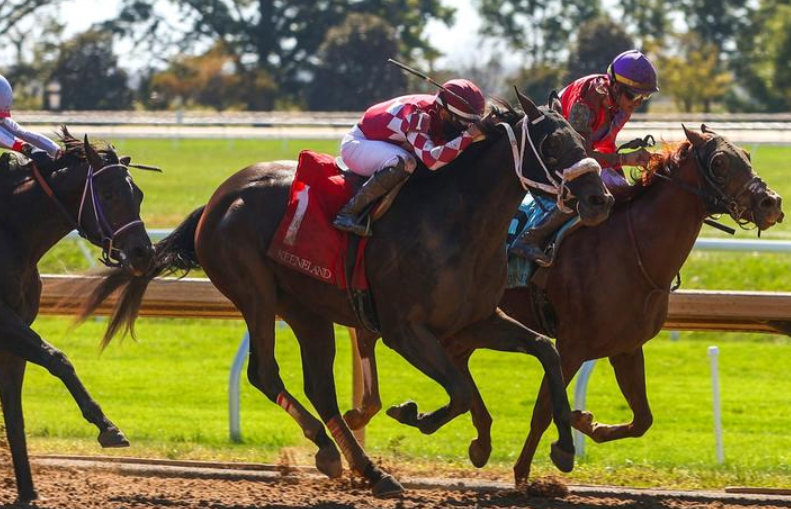
DNA testing has introduced a significant shift in racehorse breeding practices. By analyzing genetic markers, breeders can assess hereditary traits and performance capabilities with greater accuracy. This advancement allows for more strategic breeding decisions, ultimately enhancing the quality of racehorses. Moreover, the implications of this technology extend beyond performance metrics. Understanding its impact on genetic diversity and future health outcomes raises pertinent questions about the long-term sustainability of equine breeding.
Understanding Genetic Markers and Their Importance
Genetic markers serve as critical indicators in the field of racehorse breeding, providing valuable insights into the hereditary traits of equine athletes.
Their identification facilitates a deeper understanding of genetic inheritance, enabling breeders to select for desirable characteristics.
By analyzing these markers, stakeholders can make informed decisions, enhancing the potential for success while preserving the lineage’s integrity.
Ultimately, this fosters a more knowledgeable breeding environment.
See also: The Role of Exercise Riders
Enhancing Performance Through Genetic Insights
While traditional breeding methods have relied heavily on observable traits and lineage, the integration of DNA testing offers a revolutionary approach to enhancing racehorse performance.
Promoting Genetic Diversity for Healthier Offspring
The benefits of DNA testing extend beyond performance enhancement; they also play a pivotal role in promoting genetic diversity within the racehorse population.
Conclusion
In the evolving landscape of racehorse breeding, DNA testing emerges as a transformative ally, subtly reshaping traditional methodologies. By unveiling the intricacies of genetic markers, breeders are empowered to make informed selections that enhance performance and vitality. This scientific advancement not only nurtures the future of equine athletes but also cultivates a diverse genetic tapestry, ensuring the longevity and robustness of the breed. Thus, the integration of DNA testing heralds a promising era for both breeders and their equine counterparts.